
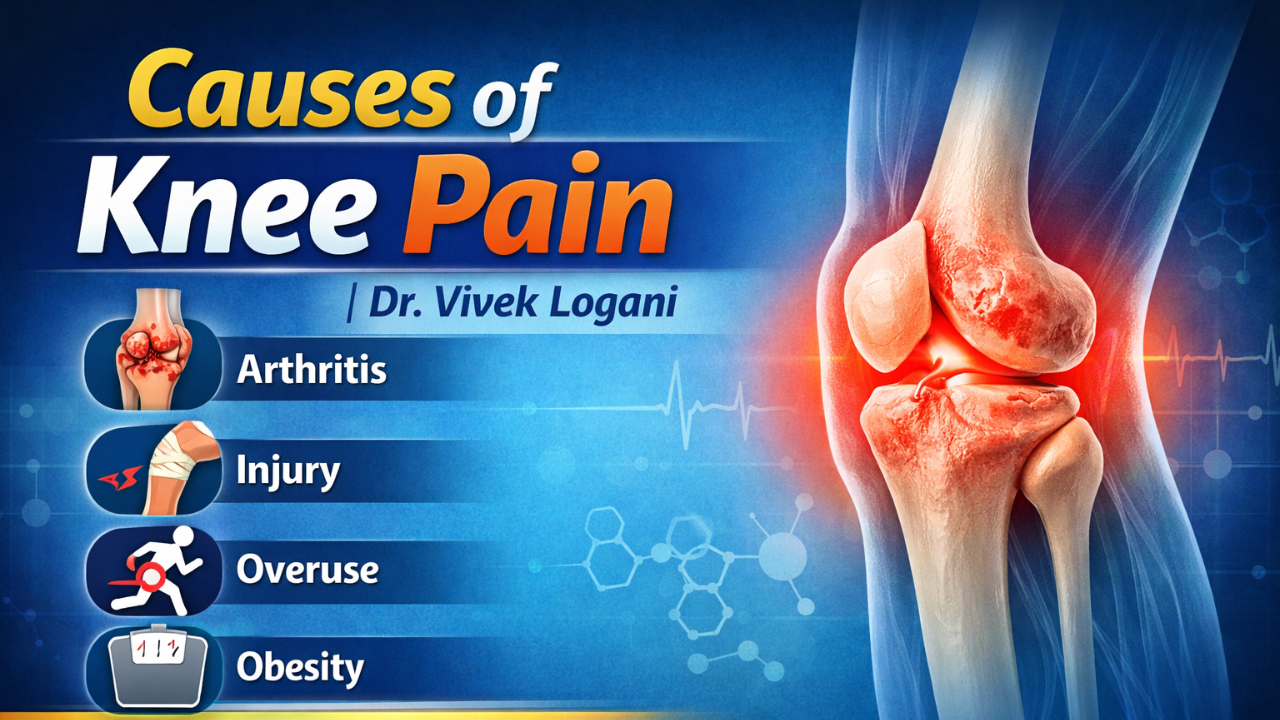
Top 7 Causes of Knee Pain and When to Worry
The knee joint plays a major role in everyday movement, from walking and standing to climbing stairs and exercising. When pain develops in this joint, it can interfere with normal activities and reduce mobility. The causes of knee pain can vary widely, including injuries, joint degeneration, inflammation, or repetitive strain. Some people experience occasional discomfort, while others may develop persistent symptoms that require medical attention.
Understanding the common causes of knee pain and recognizing early knee pain symptoms can help prevent the condition from becoming severe. If knee pain continues for several days or affects your daily routine, consulting an experienced orthopaedic specialist such as Dr Vivek Logani in Gurgaon, who has 23+ years of experience in joint replacement surgery, can help identify the problem and recommend the most suitable treatment.
What Are the Common Causes of Knee Pain?
The knee is one of the most heavily used joints in the body. It connects the thigh bone, shinbone, and kneecap, allowing smooth movement and supporting body weight. Because of constant stress and movement, the knee joint is vulnerable to several conditions that can cause pain and inflammation.
Some of the common causes of knee pain include ligament injuries, cartilage damage, arthritis, and overuse. In certain cases, knee pain may develop gradually, while in others it may occur suddenly after an injury or physical activity.
Top 7 Causes of Knee Pain
1. Osteoarthritis
Osteoarthritis is a degenerative joint condition that occurs when the cartilage in the knee gradually wears down over time. As the protective layer between the bones becomes thinner, the joint experiences friction during movement. This can lead to stiffness, swelling, and persistent discomfort, especially during walking or prolonged activity. It is one of the leading causes of severe knee joint pain in older adults.
2. Ligament Injuries
Ligaments help stabilize the knee and control its movement. Injuries to ligaments such as the ACL or MCL can occur during sports activities, sudden twists, or accidents. These injuries are common causes of knee pain in young adults and often result in swelling, instability, and difficulty putting weight on the affected leg.
3. Meniscus Damage
The meniscus is a cartilage structure that works as a cushion between the thigh bone and shinbone. A sudden twisting motion or excessive pressure on the knee can tear this cartilage. A meniscus injury can cause knee pain and swelling, along with stiffness and restricted movement in the joint.
4. Patellar Tendinitis
Patellar tendinitis occurs when the tendon connecting the kneecap to the shinbone becomes irritated due to repeated stress. It is often seen in athletes and individuals involved in activities such as running or jumping. The pain usually becomes noticeable during physical activity and may worsen when bending the knee.
5. Bursitis
The knee contains small sacs filled with fluid known as bursae, which reduce friction between tissues. When these sacs become inflamed due to repeated pressure or injury, bursitis can develop. This condition may cause localized swelling, tenderness, and discomfort around the knee.
6. Rheumatoid Arthritis
Rheumatoid arthritis is an autoimmune disorder that causes inflammation in the joints. It can affect both knees and lead to pain, stiffness, and swelling. This condition is often considered one of the causes of knee pain in ladies, particularly during middle age, when autoimmune conditions become more common.
7. Repetitive Stress and Overuse
Repeated strain on the knee joint from activities such as excessive walking, prolonged standing, or frequent stair climbing can gradually cause discomfort. This is one of the causes of knee pain while climbing stairs, as the knee experiences increased pressure during this movement.
Knee Pain Symptoms You Should Not Ignore
Certain knee pain symptoms may indicate an underlying joint problem. Paying attention to these signs can help in early diagnosis.
Common symptoms include:
- Persistent or worsening knee pain
- Swelling around the joint
- Stiffness or difficulty bending the knee
- Pain during walking or stair climbing
- Redness or warmth around the knee
- Clicking or grinding sensation during movement
If these symptoms continue for several days, medical evaluation is recommended.
When to See a Doctor for Knee Pain
Knowing when to see a doctor for knee pain can help prevent long-term joint damage.
Medical consultation is recommended if:
- Pain does not improve after rest
- Swelling becomes severe
- The knee feels unstable while walking
- Movement becomes restricted
- Pain increases during everyday activities
- An injury causes sudden swelling or deformity
Early diagnosis allows the problem to be treated before it worsens.
Knee Pain Treatment Options
The right knee pain treatment depends on the cause and severity of the condition. Treatment plans may include:
- Rest and modification of daily activities
- Physiotherapy to strengthen surrounding muscles
- Anti-inflammatory medications
- Lifestyle adjustments such as weight management
- Joint injections to reduce inflammation
- Surgical procedures, including joint replacement in advanced cases
A specialist evaluation helps determine the most effective treatment approach.
Why Consult Dr Vivek Logani in Gurgaon?
Dr Vivek Logani is a highly respected orthopaedic surgeon with over 23 years of clinical experience in joint replacement surgery. During his career, he has performed more than 8,000 joint replacement procedures and over 400 revision joint replacements.
He is also a pioneer in robotic and computer-navigation assisted joint replacement, performing these advanced techniques since 2009. His commitment to modern surgical methods and patient-focused care has helped many individuals regain mobility and return to active lifestyles.
Patients in Gurgaon consult Dr Logani for accurate diagnosis and advanced treatment for various knee joint conditions.
FAQs
1. Can lack of calcium cause knee pain?
Yes, inadequate calcium intake can weaken bones over time. When bones lose strength, joints may experience discomfort or stiffness, which can sometimes present as knee pain.
2. Can lack of vitamin D cause knee pain?
Vitamin D helps the body absorb calcium and maintain bone strength. When vitamin D levels are low, bones and muscles may become weaker, which may contribute to joint discomfort, including pain around the knees.
3. Can AVN of hip cause knee pain?
Avascular necrosis (AVN) of the hip can sometimes cause pain that radiates toward the knee. Because the hip and knee share nerve connections, pain from the hip joint may be felt in the knee area.
Conclusion
The causes of knee pain can differ from person to person, ranging from minor strain to serious joint disorders. Recognizing the symptoms early and seeking professional advice can help avoid complications and improve recovery.
If you are experiencing persistent knee discomfort, consult Dr Vivek Logani in Gurgaon, an experienced orthopaedic specialist with 23+ years of expertise in joint replacement and advanced knee care.
Schedule a consultation with Dr Vivek Logani today to receive the right diagnosis and effective knee pain treatment
📍 Visit: Sushant Lok, Gurgaon
📞 Call: +91 99996 00099
📧 Email: info@jointreplacementcentre.com